

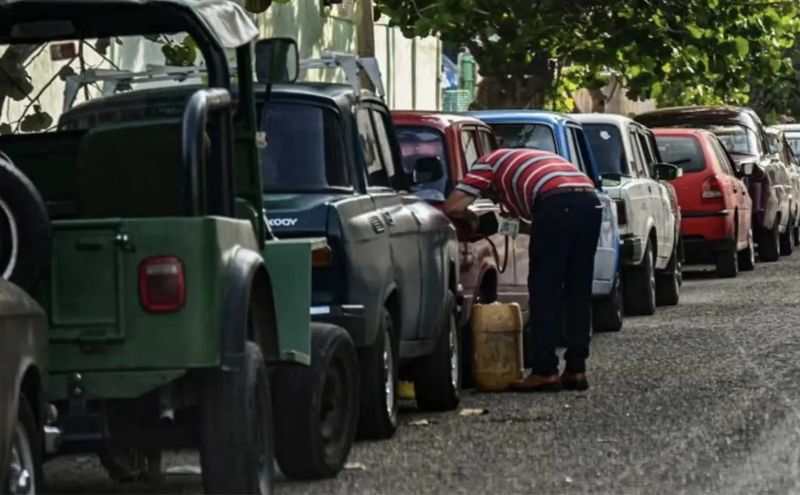
Shafaqna English- In an astonishing turn of events, gasoline is now being retailed at an exorbitant rate of $38 per gallon, not from official fuel stations, but from tiny, overcrowded apartments across Cuba. Meanwhile, diesel fuel is being promoted through Instagram by a well-known celebrity model, with reggaeton music playing in the background to attract younger buyers.
This marks a dramatic shift: six decades after Fidel Castro led his socialist revolution and nationalized the economy, the island’s state-controlled energy system is suddenly showing visible signs of capitalist infiltration.
The emergence of this underground fuel economy can be directly traced back to a single exception embedded in the US embargo policy. Despite the overarching ban on trade with Cuba, Washington has allowed American fuel exporters to supply private sector entities on the island.
This provision, intended perhaps as a limited concession, has instead catalysed a sprawling and disorderly black market. More significantly, it has ruptured the state’s absolute monopoly over energy resources—a monopoly that had remained unchallenged and rigidly enforced since the Eisenhower administration first imposed the embargo.