

Shafaqna English- Several factors have combined to make the global food supply chain significantly more robust against the effects of this year’s exceptionally strong El Nino event compared to previous occurrences.
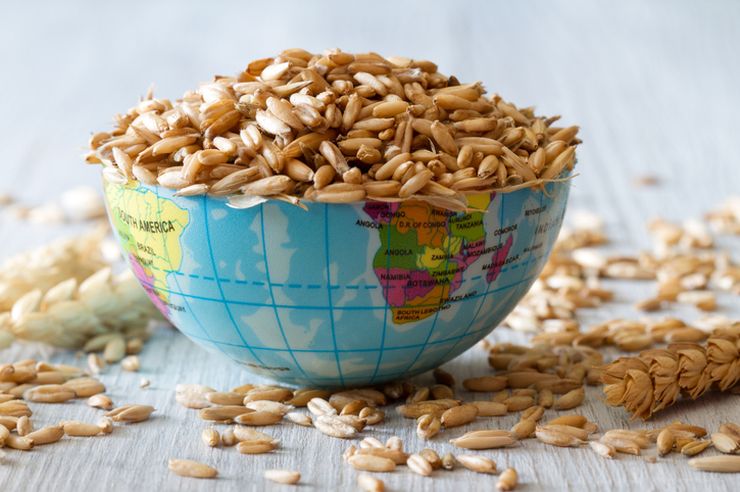
These include stockpiles that are hovering near all‑time highs, continuous improvements in agricultural technology and farming practices, and the growing presence of major exporting nations like Brazil and Russia in international markets. Together, these elements have created a buffer that reduces the vulnerability of food systems to climate‑related disruptions.
The UN Food and Agriculture Organization, along with independent market analysts, has noted that global agricultural output has consistently exceeded both consumption and population growth rates since the 1980s.
This long‑term trend of oversupply has helped build the substantial inventories that now serve as a crucial buffer against temporary production shortfalls caused by adverse weather events like the current El Nino. The sustained productivity gains have effectively decoupled food production from population dynamics, creating a surplus that enhances global food security.