

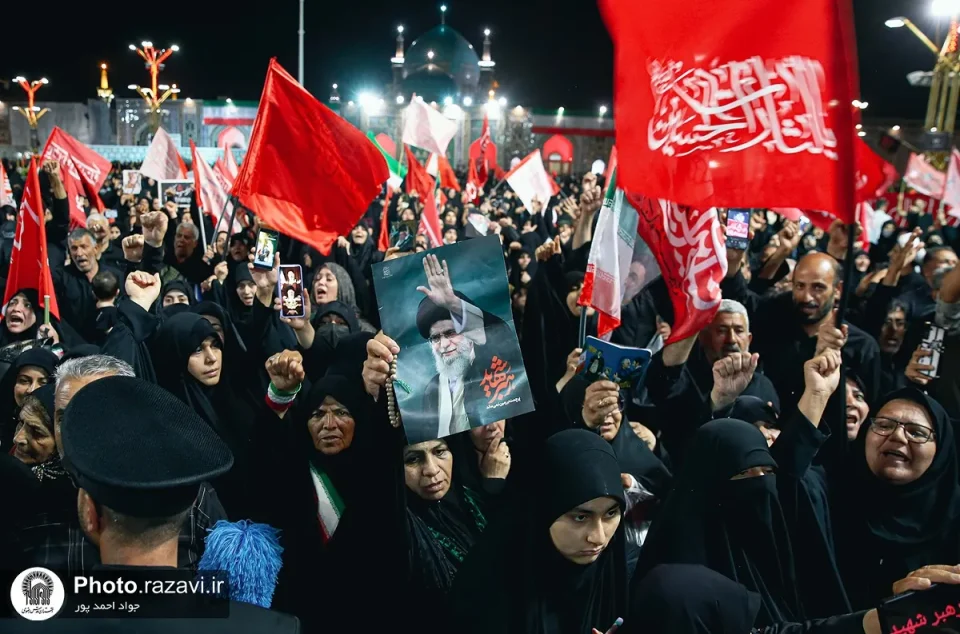
Shafaqna English- An expert from the office of the Leader’s representative in India details how the Martyred Leader fostered an enduring connection with the Indian Muslim community through pivotal 1981 diplomatic engagement and subsequent advocacy.
Dr. Heydarreza Zabet, a senior researcher at the Islamic Research Foundation of Astan Qods Razavi (AQR) and an expert on the Leader’s representation in India, underscored the historical depth of the Martyred Leader’s influence in the subcontinent.
“The bond was not merely formal but deeply personal, rooted in specific, courageous interventions during critical moments for the Indian Muslim community”, he argued.
Zabet recounted his personal experience during the Leader’s landmark visit to India in February 1981.
“The visit, occurring shortly after the Islamic Revolution, saw the future Leader arrive as Imam Khomeini’s official representative to a massive gathering organized by Jamaat-e-Islami Hind in Hyderabad”, he added.
“Addressing over 400,000 attendees at the Wadi Huda grounds, he spoke with a clarity and conviction that captivated the audience, effectively bridging the gap between the revolutionary ideals in Iran and the struggles of Indian Muslims”, the expert continued.
Dr. Zabet stressed: “The impact of this visit was further amplified by the organized structure of Jamaat-e-Islami Hind. By translating the Leader’s sermons and speeches into Urdu and disseminating them through their vast media networks, they ensured his intellectual framework remained a cornerstone of discourse within India’s educated Muslim circles. This sustained exposure established him as a premier voice on global Islamic issues within the region”.
Furthermore, Dr. Zabet highlighted the critical events of December 1992, when the Babri Mosque was destroyed. “While many international leaders chose diplomatic caution, the Martyred Leader stood firm in his condemnation, offering explicit support to the embattled Muslim community. This act of moral courage solidified his status as a protector of the oppressed, turning him into a symbol of resilience and solidarity that persists among Indian Muslims to this day”.
Source: Razavi.ir