

Shafaqna English– A prominent scholar of Islamic history, citing historical reports regarding the release of the captives of Karbala, the presence of Jabir ibn Abdullah al-Ansari, the emergence of the Tawwabin movement, accounts by al-Tabari, and narrations related to the Arbaeen visitation, stated that Arbaeen initially emerged as the result of a historical coincidence. Later, through the transmission of the Arbaeen visitation prayer from Imam al-Sadiq (AS) and the narration “The Five Signs of a Believer” from Imam al-Askari (AS), it gained religious recognition and confirmation.
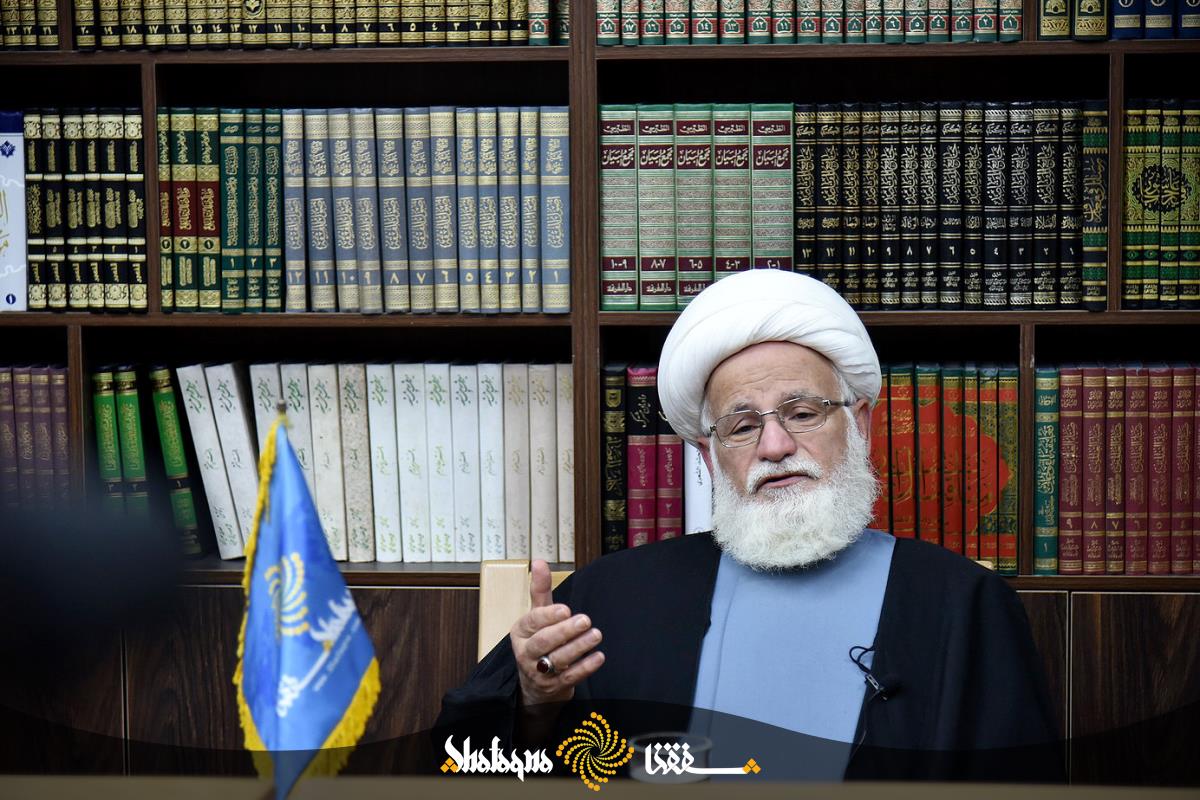
Ayatollah Yousofi Gharavi, in an interview with Shafaqna regarding the historical background and formation of the Arbaeen commemoration of Imam Hussain (AS), explained: “If we examine the matter from the perspective of religious establishment, we do not find evidence in the Quran, Prophetic traditions, or narrations of the infallible Imams indicating that practices such as commemorating the third, fifth, seventh, weekly, or fortieth day after a person’s death were originally established as religious traditions by the Prophet Muhammad (peace be upon him and his family) or the Imams. The customs that developed among people for honoring the deceased — including the fortieth-day commemoration — do not have an originating basis in religious texts.”
He added: “The only case in which ‘Arbaeen’ has acquired a special status is the Arbaeen of Imam Hussain (AS). Before that, there was no example of Arbaeen as an independently established religious tradition. What is noteworthy is that even the Arbaeen of Imam Hussain (AS), according to this analysis, was not directly instituted by the infallible Imams; rather, it emerged from the historical circumstances following the tragedy of Ashura.”
The Title “Arbaeen” Resulted from the Historical Coincidence of the Event with the Fortieth Day After Imam Hussain’s (AS) Martyrdom
Ayatollah Yousofi Gharavi stated: “In other words, if Ubayd Allah ibn Ziyad had released the captives of Karbala earlier or later, the timing of their arrival in Karbala would also have changed. If they had arrived one month after Ashura, a thirty-day commemoration (‘Thalathin’) might have emerged instead of ‘Arbaeen’; and if they had arrived fifty days later, it could have been called ‘Khamsin.’ Therefore, the title ‘Arbaeen’ resulted from the historical coincidence of this event with the fortieth day after Imam Hussain’s (AS) martyrdom, rather than being designated from the beginning as a religious obligation or established tradition.”
The Tawwabin Were the First Group to Visit the Sacred Grave of Imam Hussain (AS) Collectively
The prominent Islamic historian continued: “According to historical accounts, Yazid released the captives at a time when they reached Karbala on the day of Arbaeen. At the same time, Jabir ibn Abdullah al-Ansari also arrived in Karbala with a person from Kufa to visit the grave of Imam Hussain (AS). The presence of these individuals in Karbala coincided with the day of Arbaeen, and this historical coincidence became the origin of the importance attached to this day.”
“After that, people began commemorating the Arbaeen of Imam Hussain (AS). However, the first people to visit the sacred grave of Imam Hussain (AS) collectively were not Jabir ibn Abdullah and his companion, because they had come individually or as a very small group. The first large-scale group visitation was carried out by a group from Kufa — those who later became known as the Tawwabin (the Penitents).”
He explained: “This group, after acknowledging their failure to support Imam Hussain (AS) and expressing remorse for their actions, chose the name ‘Tawwabin’ for themselves. They were not a small group; many people joined them, and eventually they pledged allegiance to Sulayman ibn Surad al-Khuza‘i.”
The First Group to Visit Imam Hussain (AS)
He further noted: “Al-Tabari reports that when the Tawwabin arrived in Karbala, a shelter had already been built over Imam Hussain’s (AS) grave — even before a structure was built over the grave of Imam Ali (AS) in Najaf. Of course, this structure was very small and was no larger than a room measuring approximately three by four meters.”
“Because the large number of Tawwabin could not fit inside that small space, they decided that groups of ten people would enter at a time, perform two units of prayer — which they considered the prayer of repentance — recite verses from the Quran, and then leave so that the next group could enter.”
“This group was among the first to perform the visitation of Imam Hussain (AS) collectively, even before the narrations regarding the virtues of visiting Imam Hussain (AS) became widespread. The majority of these narrations were transmitted later, during the time of Imam al-Baqir and Imam al-Sadiq (peace be upon them).”
The Emergence of Arbaeen Was the Result of a Historical Event
Ayatollah Yousofi Gharavi stated: “The first person to transmit the text of the Arbaeen visitation prayer was Safwan ibn Mihran al-Jammal. His name and background indicate that he was among the clients (mawali) of Kufa. He narrated the Arbaeen visitation from Imam al-Sadiq (AS), and the text itself specifies that the visitation should be recited at sunrise on the day of Arbaeen.”
“After that, the famous narration ‘The Five Signs of a Believer’ was transmitted from Imam al-Askari (AS), in which the Arbaeen visitation is identified as one of the signs of a believer. This narration was, in fact, a confirmation of a tradition that had already been transmitted through Safwan ibn Mihran from Imam al-Sadiq (AS).”
“Therefore, according to this analysis, the origin of Arbaeen was the result of a historical event rather than an initial establishment by the infallible Imams. Once this tradition became widespread among Shia Muslims and followers of the Prophet’s family (Ahl al-Bayt), Imam al-Sadiq (AS) endorsed and confirmed it.”
“Thus, the narration of Safwan ibn Mihran should be considered among the confirmatory (endorsing) narrations, rather than foundational or establishing narrations. The narration of Imam al-Askari (AS), which was issued approximately two centuries later, also confirmed this established tradition.”